
400-998-5282
专注多肽 服务科研
400-998-5282
专注多肽 服务科研

Exendin-4是胰高血糖素样蛋白-1(GLP-1)受体的激动剂,活性类似于哺乳动物肠降血糖素激素胰高血糖素样肽1(GLP-1),具有促进胰岛素分泌和控制葡萄糖的功能。
编号:160219
CAS号:141758-74-9/141732-76-5
单字母:H2N-HGEGTFTSDLSKQMEEEAVRLFIEWLKNGGPSSGAPPPS-CONH2
Exendin-4 (Exenatide) 是由 39 个氨基酸组成的多肽。它是长效的 glucagon-like peptide-1 受体激动剂,IC50 值为 3.22 nM。
Exendin-4 (Exenatide), a 39 amino acid peptide, is a long-acting glucagon-like peptide-1 receptor agonist with an IC50 of 3.22 nM.
Exendin-4是胰高血糖素样蛋白-1(GLP-1)受体的激动剂,活性类似于哺乳动物肠降血糖素激素胰高血糖素样肽1(GLP-1),具有促进胰岛素分泌和控制葡萄糖的功能。
体外实验:Exendin-4显著影响细胞内cAMP生成。GLP-1与Exendin-4的组合治疗对cAMP的生成具有加合作用。在分离的大鼠胰岛和小鼠胰岛素瘤β-TC-1细胞中,Exendin-4以剂量依赖性方式刺激葡萄糖诱导的胰岛素分泌。在基底前脑胆碱能神经元中,Exendin-4大大降低艾草酸诱导的胆碱乙酰转移酶免疫反应性消耗。
在体实验:在ob/ob小鼠中,Exendin-4(10 μg/kg或20 μg/kg)改善胰岛素敏感性并显著降低血清葡萄糖和肝脂肪变性。Exendin-4通过改善胰岛素敏感性有效地逆转ob/ob小鼠的肝脂肪变性[1]。在无胸腺小鼠的短期研究中,63%的Exendin-4处理小鼠获得了移植功能,对照组小鼠为21%(p = 0.033)。在长期研究中,88%的治疗小鼠具有功能性移植,对照组小鼠为22%(p = 0.015)。与对照组小鼠相比,Exendin-4处理的小鼠具有显著更高的体重。
Exendin-4是一种39个氨基酸的肽肠促胰岛素模拟物。Exendin-4,也称为艾塞那肽,最初是从名为Heloderma suspectum1的吉拉怪物蜥蜴的毒液中分离出来的。Exendin-4是哺乳动物肠道激素胰高血糖素样肽I(GLP-1)的长效类似物,因此表现出控制血糖水平的葡萄糖调节活性2。Exendin-4以葡萄糖依赖的方式增强胰岛素的合成和分泌,同时下调不适当的高胰高血糖素释放,减缓胃排空并降低食欲2。最大胰岛素分泌的增加是由于胰腺β细胞中cAMP产生的更大增加3。Exendin-4是胰高血糖素样肽-1受体(GLP-1R;Kd=136pM)的有效激动剂。\据报道,当静脉注射给大鼠时,exendin-4比胰高血糖素样肽-1(GLP-1)更有效的促胰岛素剂,如较低的ED50所示(胰高血糖素样肽-1的ED50为0.19 nmol/kg,exendin-4的ED50为0.0143 nmol/kg)3。每天两次皮下注射5µg和10µg剂量的exendin-4可减轻2型糖尿病患者的血糖,这些患者接受二甲双胍(一种抗糖尿病药物)治疗,但血糖控制不佳4。在这些患者中,exendin-4被耐受并引发糖化血红蛋白降低(HbA1C≤7%),没有体重增加,低血糖发生率也没有增加4。当给予大鼠时,exendin-4的长期治疗通过刺激β细胞的新生和增殖对胰腺β细胞功能具有有益作用2。此外,exendin-4已显示出抗动脉粥样硬化的特性5,以及通过改善胰岛素敏感性来减少肥胖ob/ob小鼠肝脏脂肪变性的能力
Exendin-4 is a 39-amino acid peptide incretin mimetic. Exendin-4, also known as Exenatide, was originally isolated from the venom of Gila monster lizard called Heloderma suspectum1. Exendin-4 is a long-acting analog of the mammalian intestinal hormone glucagon-like peptide I (GLP-1) and therefore exhibits glucoregulatory activities to control plasma glucose levels2. Exendin-4 enhances insulin synthesis and secretion in a glucose-dependent manner, while downregulating inappropriately high glucagon release, slowing gastric emptying and decreasing appetite2. The increase in maximum insulin secretion is due to a greater increase in cAMP production in pancreatic β cells3. Exendin-4 is a potent agonist of the Glucagon-Like Peptide-1 Receptor (GLP-1R ; Kd = 136pM).\n\nIt has been reported that exendin-4 is a more potent insulinotropic agent when given intravenously to rats than is glucagon-like peptide-1 (GLP-1) as indicated by the lower ED50 (ED50 0.19 nmol/kg for glucagon-like peptide-1 versus 0.0143 nmol/kg for exendin-4)3. Subcutaneous administration of exendin-4 at doses of 5µg and 10 µg twice daily attenuates glycemia in patients with type 2 diabetes, who are treated with metformin, an antidiabetic drug and not achieving adequate glycemic control4. In these patients, exendin-4 was tolerated and triggered a reduction in glycated hemoglobin (HbA1C ≤ 7%), with no weight gain and no increased incidence of hypoglycemia4. Long-term treatment with exendin-4 has a beneficial effect on the pancreatic β-cell function by stimulating both the neogeneration and the proliferation of β-cells when administered to rats2. Furthermore, exendin-4 has shown anti-atherosclerogenetic properties5 as well as the ability to reduce hepatic steatosis in obese ob/ob mice by improving insulin sensitivity
合成肽,其序列最初是从吉拉怪兽(Heloderma suspectum)改良唾液腺的毒液中分离出来的。该产品有可能作为GLP-1(胰高血糖素样肽-1)受体激动剂应用,并以三氟乙酸盐形式提供。
Synthetic peptide whose sequence was originally isolated from venom derived from the modified salivary glands of the Gila monster (Heloderma suspectum). This product has the potential to be applied as a GLP-1 (Glucagon-Like Peptide-1) Receptor Agonist and is available in the trifluoroacetate salt form.
Exendin-4(艾塞那肽)最初从Heloderma suspectum毒液中分离出来,刺激腺泡cAMP而不引起淀粉酶释放,与胰高血糖素样肽1受体具有相似的亲和力,并用于治疗2型糖尿病。
Exendin-4 (Exenatide), originally isolated from Heloderma suspectum venom, stimulates acinar cAMP without causing amylase release, binds with similar affinity to the glucagon-like peptide 1 receptor, and is used in the treatment of type 2 diabetes.
促胰岛素分泌肽(Exendins)的定义
艾塞那肽是一类肽类物质,存在于吉拉巨蜥和墨西哥须蜥的唾液分泌物中,这两种爬行动物原产于亚利桑那州和墨西哥北部。艾塞那肽-3存在于墨西哥须蜥(Heloderma horridum)的唾液分泌物中,而艾塞那肽-4则存在于吉拉巨蜥(Heloderma suspectum)的唾液分泌物中【1】。
The exendins are peptides that are found in the salivary secretions of the Gila monster and the Mexican Bearded Lizard, reptiles that are endogenous to Arizona and Northern Mexico. Exendin-3 is present in the salivary secretions of Heloderma horridum (Mexican Beaded Lizard), and exendin-4 is present in the salivary secretions of Heloderm suspectum (Gila monster) 【1】.
促胰岛素分泌肽(Exendins)的相关肽
研究发现,与胰高血糖素样肽-1(GLP-1)结构相关的肽类——艾塞那肽-4和艾塞那肽(9-39)酰胺,在大鼠肝脏和骨骼肌中分别作为胰高血糖素样肽-1(7-36)酰胺对葡萄糖代谢影响的激动剂和拮抗剂发挥作用【2】。
The GLP-1 structurally related peptides exendin-4 and exendin (9-39) amide were found to act, in rat liver and skeletal muscle, as agonist and antagonist, respectively, of the GLP-1 (7-36) amide effects on glucose metabolism 【2】.
促胰岛素分泌肽(Exendins)的发现
1982年,人们观察到吉拉毒蜥(Heloderma suspectum)的粗毒液是一种强效的胰腺促分泌剂。通过对介导这种效应的活性因子进行纯化和测序,发现了肽类物质helodermin和exendin-4【3】。
In 1982, it was observed that the crude venom of the Gila monster Heloderma suspectum was a potent pancreatic secretagogue. Purification and sequencing of the active factors mediating this effect led to the discovery of the peptides helodermin and exendin-4 【3】.
促胰岛素分泌肽(Exendins)的结构特征
艾塞那肽与胰高血糖素样肽家族的几个成员具有一些序列相似性,其中与GLP-1[7-36] NH2的同源性最高,为53%【2】。通过对含有氨基末端组氨酸残基(His1)的肽进行氨基酸测序分析,从H. suspectum毒液中分离出一种由39个氨基酸组成的肽,即艾塞那肽-4。艾塞那肽-4与艾塞那肽-3的区别在于两个氨基酸的替换,即Gly2-Glu3取代了Ser2-Asp3,但在其他方面两者完全相同。结构上的差异使得艾塞那肽-4在生物活性上与艾塞那肽-3有所不同【4】
The exendins have some sequence similarity to several members of the glucagon-like peptide family, with the highest homology, 53%, being to GLP-1[7-36] NH2 【2】. An amino acid sequencing assay for peptides containing an amino-terminal histidine residue (His1) was used to isolate a 39-amino acid peptide, exendin-4, from H. suspectum venom. Exendin-4 differs from exendin-3 by two amino acid substitutions, Gly2-Glu3 in place of Ser2-Asp3, but is otherwise identical. The structural differences make exendin-4 distinct from exendin-3 in its bioactivity 【4】.
促胰岛素分泌肽(Exendins)的作用机制
在正常大鼠中,艾塞那肽-4(exendin-4)与胰高血糖素样肽-1(GLP-1)和胰岛素一样,能增强葡萄糖摄取。这种作用在一定程度上由某些激酶(磷脂酰肌醇-3激酶(PI3K)/蛋白激酶B(PKB)、p70S6激酶(p70s6k)和丝裂原活化蛋白激酶(MAPKs))介导,可能是由该肽至少部分通过肌肉GLP-1受体发挥作用引起的。艾塞那肽-9也刺激了除PKB以外的相同激酶,但未能改变基础葡萄糖摄取[5]。药理学研究报告表明,艾塞那肽-4在体外对某些胰岛素分泌细胞、豚鼠胰腺的分散腺泡细胞和胃的壁细胞上的GLP-1受体有作用;该肽还被报道能刺激生长抑素释放并抑制离体胃中的胃泌素释放。据报道,艾塞那肽-3和艾塞那肽-4可刺激胰腺腺泡细胞产生环磷酸腺苷(cAMP)并促进其释放淀粉酶【1】。
In normal rats, exendin-4, like GLP-1 and insulin, enhanced glucose uptake. This effect, which is mediated to a certain extent by some kinases (PI3K/ PKB, p70s6k and MAPKs), may be caused by the peptide acting, at least in part, through the muscle GLP-1 receptors. Exendin-9 also stimulated the same kinases, except for PKB, but failed to modify basal glucose uptake 5. Pharmacological studies have led to reports that exendin-4 can act at GLP-1 receptors in vitro on certain insulin-secreting cells, at dispersed acinar cells from guinea pig pancreas, and at parietal cells from stomach; the peptide is also reported to stimulate somatostatin release and inhibit gastrin release in isolated stomach. Exendin-3 and exendin-4 were reportedly found to stimulate cAMP production in, and amylase release from, pancreatic acinar cells【1】.
促胰岛素分泌肽(Exendins)的功能
与GLP-1(7-36)酰胺类似,毒蜥外泌肽-4可提高两种组织中的糖原合成酶活性以及葡萄糖向糖原的掺入,并刺激肌肉中外源性D-葡萄糖的利用和氧化。GLP-1(7-36)酰胺和毒蜥外泌肽-4的这些作用可被毒蜥外泌肽(9-39)酰胺2抑制。新型修饰毒蜥外泌肽和毒蜥外泌肽激动剂(其结构中有一个或多个聚乙二醇聚合物连接的毒蜥外泌肽或毒蜥外泌肽激动剂)以及相关产品和方法可用于治疗糖尿病,包括1型糖尿病、2型糖尿病和妊娠糖尿病;用于治疗可通过调节血浆葡萄糖水平或抑制胰高血糖素分泌的药物获益的疾病;用于治疗可通过给予调节胃排空速率或食物摄入的药物获益的疾病,包括肥胖症、进食障碍、胰岛素抵抗综合征和甘油三酯水平升高;以及用于治疗患有血脂异常的受试者。这些方法还可用于降低血浆脂质水平、降低心脏病风险、减少食欲和减轻受试者体重【1】。
Like GLP-1 (7-36) amide, exendin-4 increased glycogen synthase activity and glucose incorporation into glycogen in both tissues and also stimulated exogenous D -glucose utilization and oxidation in muscle. These effects of GLP-1(7-36) amide and exendin-4 were inhibited by exendin (9-39) amide 2. Novel modified exendins and exendin agonists having an exendin or exendin agonist linked to one or more polyethylene glycol polymers, and related products and methods are useful, for example, in the treatment of diabetes, including Type 1, Type 2, and gestational diabetes, in the treatment of disorders which would be benefited by agents which modulate plasma glucose levels or suppress glucagon secretion, and in the treatment of disorders which would be benefited by the administration of agents useful in modulating the rate of gastric emptying or food intake, including obesity, eating disorders, insulin-resistance syndrome, and triglyceride levels, and to treat subjects suffering from dyslipidemia. The methods are also useful for lowering plasma lipid levels, reducing cardiac risk, reducing appetite, and reducing the weight of subjects【1】.
促胰岛素分泌肽(Exendins)的参考文献
1. Eng J, Andrews PC, Kleinman WA, Singh L, Raufman JP (1990). Purification and structure of exendin-3, a new pancreatic secretagogue isolated from Heloderma horridum venom. J Biol Chem., 265(33):20259-20262
2. Alcántara AI, Morales M, Delgado E, López-Delgado MI, Clemente F, Luque MA, Malaisse WJ, Valverde I, Villanueva-Peñacarrillo ML (1997). Exendin-4 Agonist and Exendin(9-39)amide Antagonist of the GLP-1(7-36)amide Effects in Liver and Muscle. Archives of Biochemistry and Biophysics., 341(1):1-7.
3. Pohl M, Wank SA (1998). Molecular cloning of the helodermin and exendin-4 cDNAs in the lizard. Relationship to vasoactive intestinal polypeptide/pituitary adenylate cyclase activating polypeptide and glucagon-like peptide 1 and evidence against the existence of mammalian homologues. J Biol Chem., 273(16):9778-9784.
4. Eng J, Kleinman WA, Singh L, Singh G, Raufman JP (1992). Isolation and characterization of exendin-4, an exendin-3 analogue, from Heloderma suspectum venom. Further evidence for an exendin receptor on dispersed acini from guinea pig pancreas. J Biol Chem., 267(11):7402-7405.
5. Sancho V, Trigo MV, González N, Valverde I, Malaisse WJ, Villanueva-Peñacarrillo ML (2005). Effects of glucagon-like peptide-1 and exendins on kinase activity, glucose transport and lipid metabolism in adipocytes from normal and type-2 diabetic rats. J Mol Endocrinol., 35(1):27-38.
| DOI | 名称 | |
|---|---|---|
| 10.1016/s0167-0115(03)00120-4 | The importance of the nine-amino acid C-terminal sequence of exendin-4 for binding to the GLP-1 receptor and for biological activity | 下载 |
| 10.1002/hep.21006 | Exendin-4, a glucagon-like protein-1 (GLP-1) receptor agonist, reverses hepatic steatosis in ob/ob mice | 下载 |
| 10.1007/s00125-009-1515-4 | Biochemical and histological effects of exendin-4 (exenatide) on the rat pancreas | 下载 |
| 10.1186/1475-2840-13-69 | Exenatide induces aortic vasodilation increasing hydrogen sulphide, carbon monoxide and nitric oxide production | 下载 |
| 10.1007/s13277-015-4104-9 | Antidiabetic exendin-4 activates apoptotic pathway and inhibits growth of breast cancer cells | 下载 |
| 10.1152/ajpendo.00400.2015 | Exenatide exerts direct protective effects on endothelial cells through the AMPK/Akt/eNOS pathway in a GLP-1 receptor-dependent manner | 下载 |
多肽H2N-His-Gly-Glu-Gly-Thr-Phe-Thr-Ser-Asp-Leu-Ser-Lys-Gln-Met-Glu-Glu-Glu-Ala-Val-Arg-Leu-Phe-Ile-Glu-Trp-Leu-Lys-Asn-Gly-Gly-Pro-Ser-Ser-Gly-Ala-Pro-Pro-Pro-Ser-NH2的合成步骤:
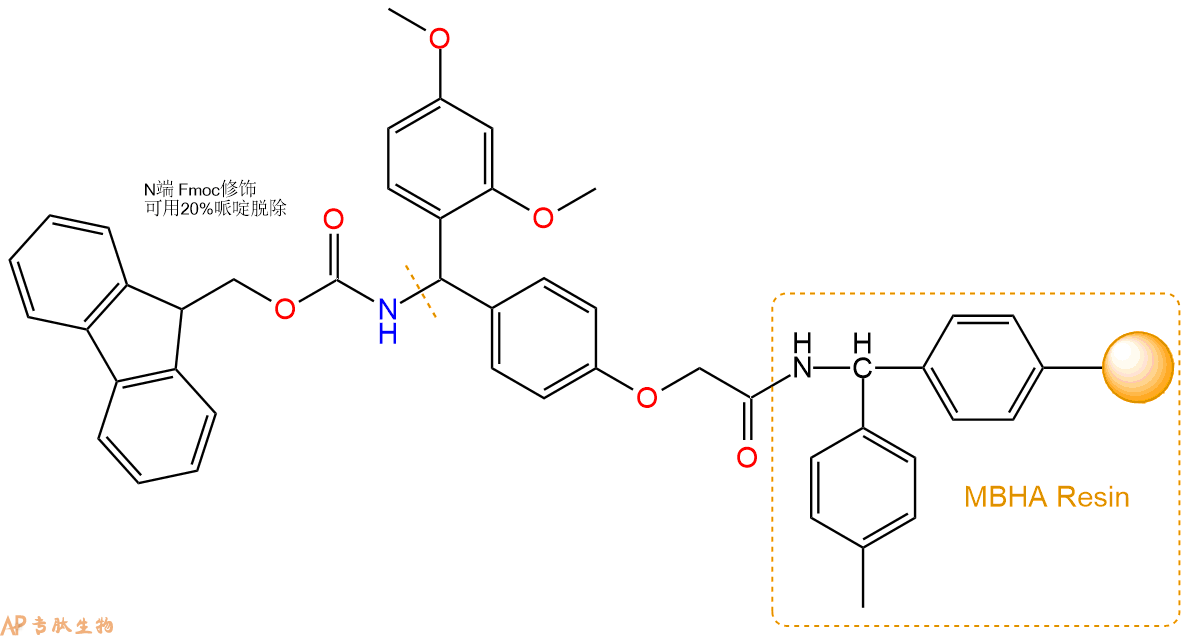
1、合成MBHA树脂:取若干克的MBHA树脂(如初始取代度为0.5mmol/g)和1倍树脂摩尔量的Fmoc-Linker-OH加入到反应器中,加入DMF,搅拌使氨基酸完全溶解。再加入树脂2倍量的DIEPA,搅拌混合均匀。再加入树脂0.95倍量的HBTU,搅拌混合均匀。反应3-4小时后,用DMF洗涤3次。用2倍树脂体积的10%乙酸酐/DMF 进行封端30分钟。然后再用DMF洗涤3次,甲醇洗涤2次,DCM洗涤2次,再用甲醇洗涤2次。真空干燥12小时以上,得到干燥的树脂{Fmoc-Linker-MHBA Resin},测定取代度。这里测得取代度为 0.3mmol/g。结构如下图:
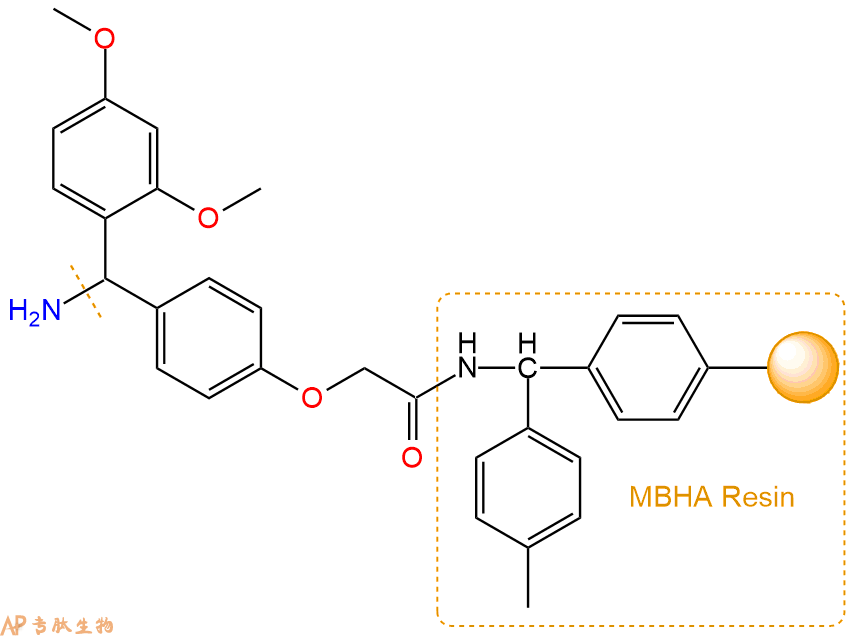
2、脱Fmoc:取2.86g的上述树脂,用DCM或DMF溶胀20分钟。用DMF洗涤2遍。加3倍树脂体积的20%Pip/DMF溶液,鼓氮气30分钟,然后2倍树脂体积的DMF 洗涤5次。得到 H2N-Linker-MBHA Resin 。(此步骤脱除Fmoc基团,茚三酮检测为蓝色,Pip为哌啶)。结构图如下:
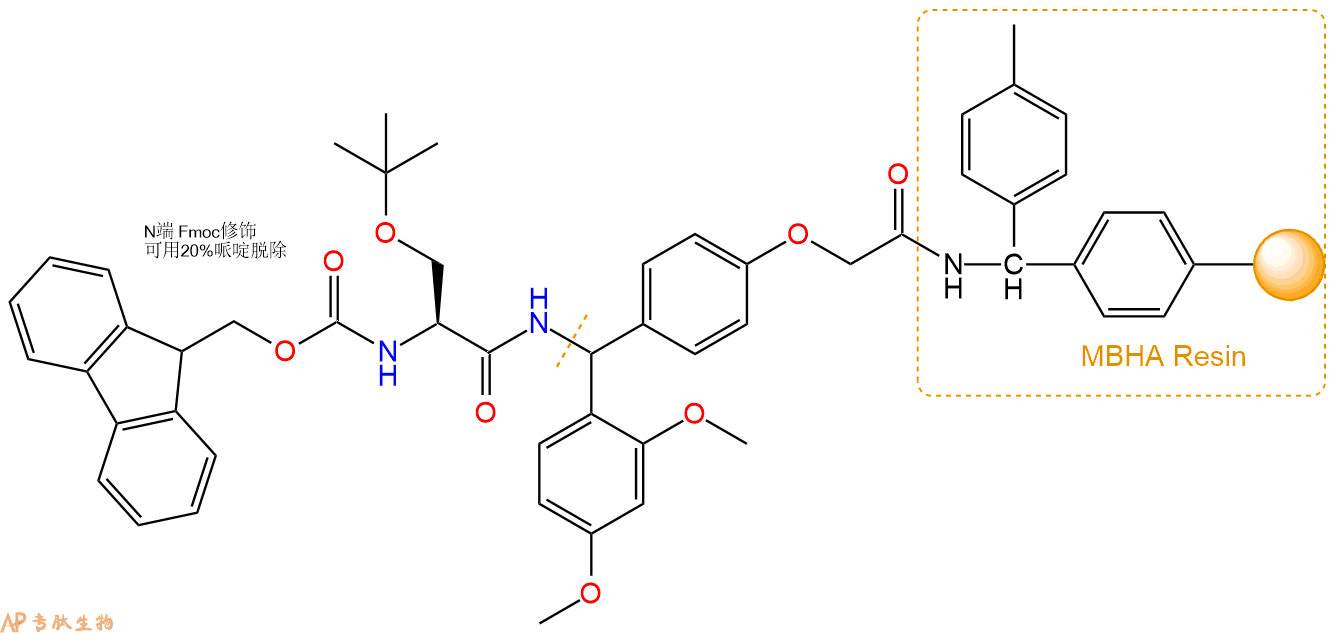
3、缩合:取2.57mmol Fmoc-Ser(tBu)-OH 氨基酸,加入到上述树脂里,加适当DMF溶解氨基酸,再依次加入5.15mmol DIPEA,2.45mmol HBTU。反应30分钟后,取小样洗涤,茚三酮检测为无色。用2倍树脂体积的DMF 洗涤3次树脂。(洗涤树脂,去掉残留溶剂,为下一步反应做准备)。得到Fmoc-Ser(tBu)-Linker-MBHA Resin。氨基酸:DIPEA:HBTU:树脂=3:6:2.85:1(摩尔比)。结构图如下:
4、依次循环步骤二、步骤三,依次得到
H2N-Ser(tBu)-Linker-MBHA Resin
Fmoc-Pro-Ser(tBu)-Linker-MBHA Resin
H2N-Pro-Ser(tBu)-Linker-MBHA Resin
Fmoc-Pro-Pro-Ser(tBu)-Linker-MBHA Resin
H2N-Pro-Pro-Ser(tBu)-Linker-MBHA Resin
Fmoc-Pro-Pro-Pro-Ser(tBu)-Linker-MBHA Resin
H2N-Pro-Pro-Pro-Ser(tBu)-Linker-MBHA Resin
Fmoc-Ala-Pro-Pro-Pro-Ser(tBu)-Linker-MBHA Resin
H2N-Ala-Pro-Pro-Pro-Ser(tBu)-Linker-MBHA Resin
Fmoc-Gly-Ala-Pro-Pro-Pro-Ser(tBu)-Linker-MBHA Resin
H2N-Gly-Ala-Pro-Pro-Pro-Ser(tBu)-Linker-MBHA Resin
Fmoc-Ser(tBu)-Gly-Ala-Pro-Pro-Pro-Ser(tBu)-Linker-MBHA Resin
H2N-Ser(tBu)-Gly-Ala-Pro-Pro-Pro-Ser(tBu)-Linker-MBHA Resin
Fmoc-Ser(tBu)-Ser(tBu)-Gly-Ala-Pro-Pro-Pro-Ser(tBu)-Linker-MBHA Resin
H2N-Ser(tBu)-Ser(tBu)-Gly-Ala-Pro-Pro-Pro-Ser(tBu)-Linker-MBHA Resin
Fmoc-Pro-Ser(tBu)-Ser(tBu)-Gly-Ala-Pro-Pro-Pro-Ser(tBu)-Linker-MBHA Resin
H2N-Pro-Ser(tBu)-Ser(tBu)-Gly-Ala-Pro-Pro-Pro-Ser(tBu)-Linker-MBHA Resin
Fmoc-Gly-Pro-Ser(tBu)-Ser(tBu)-Gly-Ala-Pro-Pro-Pro-Ser(tBu)-Linker-MBHA Resin
H2N-Gly-Pro-Ser(tBu)-Ser(tBu)-Gly-Ala-Pro-Pro-Pro-Ser(tBu)-Linker-MBHA Resin
Fmoc-Gly-Gly-Pro-Ser(tBu)-Ser(tBu)-Gly-Ala-Pro-Pro-Pro-Ser(tBu)-Linker-MBHA Resin
H2N-Gly-Gly-Pro-Ser(tBu)-Ser(tBu)-Gly-Ala-Pro-Pro-Pro-Ser(tBu)-Linker-MBHA Resin
Fmoc-Asn(Trt)-Gly-Gly-Pro-Ser(tBu)-Ser(tBu)-Gly-Ala-Pro-Pro-Pro-Ser(tBu)-Linker-MBHA Resin
H2N-Asn(Trt)-Gly-Gly-Pro-Ser(tBu)-Ser(tBu)-Gly-Ala-Pro-Pro-Pro-Ser(tBu)-Linker-MBHA Resin
Fmoc-Lys(Boc)-Asn(Trt)-Gly-Gly-Pro-Ser(tBu)-Ser(tBu)-Gly-Ala-Pro-Pro-Pro-Ser(tBu)-Linker-MBHA Resin
H2N-Lys(Boc)-Asn(Trt)-Gly-Gly-Pro-Ser(tBu)-Ser(tBu)-Gly-Ala-Pro-Pro-Pro-Ser(tBu)-Linker-MBHA Resin
Fmoc-Leu-Lys(Boc)-Asn(Trt)-Gly-Gly-Pro-Ser(tBu)-Ser(tBu)-Gly-Ala-Pro-Pro-Pro-Ser(tBu)-Linker-MBHA Resin
H2N-Leu-Lys(Boc)-Asn(Trt)-Gly-Gly-Pro-Ser(tBu)-Ser(tBu)-Gly-Ala-Pro-Pro-Pro-Ser(tBu)-Linker-MBHA Resin
Fmoc-Trp(Boc)-Leu-Lys(Boc)-Asn(Trt)-Gly-Gly-Pro-Ser(tBu)-Ser(tBu)-Gly-Ala-Pro-Pro-Pro-Ser(tBu)-Linker-MBHA Resin
H2N-Trp(Boc)-Leu-Lys(Boc)-Asn(Trt)-Gly-Gly-Pro-Ser(tBu)-Ser(tBu)-Gly-Ala-Pro-Pro-Pro-Ser(tBu)-Linker-MBHA Resin
Fmoc-Glu(OtBu)-Trp(Boc)-Leu-Lys(Boc)-Asn(Trt)-Gly-Gly-Pro-Ser(tBu)-Ser(tBu)-Gly-Ala-Pro-Pro-Pro-Ser(tBu)-Linker-MBHA Resin
H2N-Glu(OtBu)-Trp(Boc)-Leu-Lys(Boc)-Asn(Trt)-Gly-Gly-Pro-Ser(tBu)-Ser(tBu)-Gly-Ala-Pro-Pro-Pro-Ser(tBu)-Linker-MBHA Resin
Fmoc-Ile-Glu(OtBu)-Trp(Boc)-Leu-Lys(Boc)-Asn(Trt)-Gly-Gly-Pro-Ser(tBu)-Ser(tBu)-Gly-Ala-Pro-Pro-Pro-Ser(tBu)-Linker-MBHA Resin
H2N-Ile-Glu(OtBu)-Trp(Boc)-Leu-Lys(Boc)-Asn(Trt)-Gly-Gly-Pro-Ser(tBu)-Ser(tBu)-Gly-Ala-Pro-Pro-Pro-Ser(tBu)-Linker-MBHA Resin
Fmoc-Phe-Ile-Glu(OtBu)-Trp(Boc)-Leu-Lys(Boc)-Asn(Trt)-Gly-Gly-Pro-Ser(tBu)-Ser(tBu)-Gly-Ala-Pro-Pro-Pro-Ser(tBu)-Linker-MBHA Resin
H2N-Phe-Ile-Glu(OtBu)-Trp(Boc)-Leu-Lys(Boc)-Asn(Trt)-Gly-Gly-Pro-Ser(tBu)-Ser(tBu)-Gly-Ala-Pro-Pro-Pro-Ser(tBu)-Linker-MBHA Resin
Fmoc-Leu-Phe-Ile-Glu(OtBu)-Trp(Boc)-Leu-Lys(Boc)-Asn(Trt)-Gly-Gly-Pro-Ser(tBu)-Ser(tBu)-Gly-Ala-Pro-Pro-Pro-Ser(tBu)-Linker-MBHA Resin
H2N-Leu-Phe-Ile-Glu(OtBu)-Trp(Boc)-Leu-Lys(Boc)-Asn(Trt)-Gly-Gly-Pro-Ser(tBu)-Ser(tBu)-Gly-Ala-Pro-Pro-Pro-Ser(tBu)-Linker-MBHA Resin
Fmoc-Arg(Pbf)-Leu-Phe-Ile-Glu(OtBu)-Trp(Boc)-Leu-Lys(Boc)-Asn(Trt)-Gly-Gly-Pro-Ser(tBu)-Ser(tBu)-Gly-Ala-Pro-Pro-Pro-Ser(tBu)-Linker-MBHA Resin
H2N-Arg(Pbf)-Leu-Phe-Ile-Glu(OtBu)-Trp(Boc)-Leu-Lys(Boc)-Asn(Trt)-Gly-Gly-Pro-Ser(tBu)-Ser(tBu)-Gly-Ala-Pro-Pro-Pro-Ser(tBu)-Linker-MBHA Resin
Fmoc-Val-Arg(Pbf)-Leu-Phe-Ile-Glu(OtBu)-Trp(Boc)-Leu-Lys(Boc)-Asn(Trt)-Gly-Gly-Pro-Ser(tBu)-Ser(tBu)-Gly-Ala-Pro-Pro-Pro-Ser(tBu)-Linker-MBHA Resin
H2N-Val-Arg(Pbf)-Leu-Phe-Ile-Glu(OtBu)-Trp(Boc)-Leu-Lys(Boc)-Asn(Trt)-Gly-Gly-Pro-Ser(tBu)-Ser(tBu)-Gly-Ala-Pro-Pro-Pro-Ser(tBu)-Linker-MBHA Resin
Fmoc-Ala-Val-Arg(Pbf)-Leu-Phe-Ile-Glu(OtBu)-Trp(Boc)-Leu-Lys(Boc)-Asn(Trt)-Gly-Gly-Pro-Ser(tBu)-Ser(tBu)-Gly-Ala-Pro-Pro-Pro-Ser(tBu)-Linker-MBHA Resin
H2N-Ala-Val-Arg(Pbf)-Leu-Phe-Ile-Glu(OtBu)-Trp(Boc)-Leu-Lys(Boc)-Asn(Trt)-Gly-Gly-Pro-Ser(tBu)-Ser(tBu)-Gly-Ala-Pro-Pro-Pro-Ser(tBu)-Linker-MBHA Resin
Fmoc-Glu(OtBu)-Ala-Val-Arg(Pbf)-Leu-Phe-Ile-Glu(OtBu)-Trp(Boc)-Leu-Lys(Boc)-Asn(Trt)-Gly-Gly-Pro-Ser(tBu)-Ser(tBu)-Gly-Ala-Pro-Pro-Pro-Ser(tBu)-Linker-MBHA Resin
H2N-Glu(OtBu)-Ala-Val-Arg(Pbf)-Leu-Phe-Ile-Glu(OtBu)-Trp(Boc)-Leu-Lys(Boc)-Asn(Trt)-Gly-Gly-Pro-Ser(tBu)-Ser(tBu)-Gly-Ala-Pro-Pro-Pro-Ser(tBu)-Linker-MBHA Resin
Fmoc-Glu(OtBu)-Glu(OtBu)-Ala-Val-Arg(Pbf)-Leu-Phe-Ile-Glu(OtBu)-Trp(Boc)-Leu-Lys(Boc)-Asn(Trt)-Gly-Gly-Pro-Ser(tBu)-Ser(tBu)-Gly-Ala-Pro-Pro-Pro-Ser(tBu)-Linker-MBHA Resin
H2N-Glu(OtBu)-Glu(OtBu)-Ala-Val-Arg(Pbf)-Leu-Phe-Ile-Glu(OtBu)-Trp(Boc)-Leu-Lys(Boc)-Asn(Trt)-Gly-Gly-Pro-Ser(tBu)-Ser(tBu)-Gly-Ala-Pro-Pro-Pro-Ser(tBu)-Linker-MBHA Resin
Fmoc-Glu(OtBu)-Glu(OtBu)-Glu(OtBu)-Ala-Val-Arg(Pbf)-Leu-Phe-Ile-Glu(OtBu)-Trp(Boc)-Leu-Lys(Boc)-Asn(Trt)-Gly-Gly-Pro-Ser(tBu)-Ser(tBu)-Gly-Ala-Pro-Pro-Pro-Ser(tBu)-Linker-MBHA Resin
H2N-Glu(OtBu)-Glu(OtBu)-Glu(OtBu)-Ala-Val-Arg(Pbf)-Leu-Phe-Ile-Glu(OtBu)-Trp(Boc)-Leu-Lys(Boc)-Asn(Trt)-Gly-Gly-Pro-Ser(tBu)-Ser(tBu)-Gly-Ala-Pro-Pro-Pro-Ser(tBu)-Linker-MBHA Resin
Fmoc-Met-Glu(OtBu)-Glu(OtBu)-Glu(OtBu)-Ala-Val-Arg(Pbf)-Leu-Phe-Ile-Glu(OtBu)-Trp(Boc)-Leu-Lys(Boc)-Asn(Trt)-Gly-Gly-Pro-Ser(tBu)-Ser(tBu)-Gly-Ala-Pro-Pro-Pro-Ser(tBu)-Linker-MBHA Resin
H2N-Met-Glu(OtBu)-Glu(OtBu)-Glu(OtBu)-Ala-Val-Arg(Pbf)-Leu-Phe-Ile-Glu(OtBu)-Trp(Boc)-Leu-Lys(Boc)-Asn(Trt)-Gly-Gly-Pro-Ser(tBu)-Ser(tBu)-Gly-Ala-Pro-Pro-Pro-Ser(tBu)-Linker-MBHA Resin
Fmoc-Gln(Trt)-Met-Glu(OtBu)-Glu(OtBu)-Glu(OtBu)-Ala-Val-Arg(Pbf)-Leu-Phe-Ile-Glu(OtBu)-Trp(Boc)-Leu-Lys(Boc)-Asn(Trt)-Gly-Gly-Pro-Ser(tBu)-Ser(tBu)-Gly-Ala-Pro-Pro-Pro-Ser(tBu)-Linker-MBHA Resin
H2N-Gln(Trt)-Met-Glu(OtBu)-Glu(OtBu)-Glu(OtBu)-Ala-Val-Arg(Pbf)-Leu-Phe-Ile-Glu(OtBu)-Trp(Boc)-Leu-Lys(Boc)-Asn(Trt)-Gly-Gly-Pro-Ser(tBu)-Ser(tBu)-Gly-Ala-Pro-Pro-Pro-Ser(tBu)-Linker-MBHA Resin
Fmoc-Lys(Boc)-Gln(Trt)-Met-Glu(OtBu)-Glu(OtBu)-Glu(OtBu)-Ala-Val-Arg(Pbf)-Leu-Phe-Ile-Glu(OtBu)-Trp(Boc)-Leu-Lys(Boc)-Asn(Trt)-Gly-Gly-Pro-Ser(tBu)-Ser(tBu)-Gly-Ala-Pro-Pro-Pro-Ser(tBu)-Linker-MBHA Resin
H2N-Lys(Boc)-Gln(Trt)-Met-Glu(OtBu)-Glu(OtBu)-Glu(OtBu)-Ala-Val-Arg(Pbf)-Leu-Phe-Ile-Glu(OtBu)-Trp(Boc)-Leu-Lys(Boc)-Asn(Trt)-Gly-Gly-Pro-Ser(tBu)-Ser(tBu)-Gly-Ala-Pro-Pro-Pro-Ser(tBu)-Linker-MBHA Resin
Fmoc-Ser(tBu)-Lys(Boc)-Gln(Trt)-Met-Glu(OtBu)-Glu(OtBu)-Glu(OtBu)-Ala-Val-Arg(Pbf)-Leu-Phe-Ile-Glu(OtBu)-Trp(Boc)-Leu-Lys(Boc)-Asn(Trt)-Gly-Gly-Pro-Ser(tBu)-Ser(tBu)-Gly-Ala-Pro-Pro-Pro-Ser(tBu)-Linker-MBHA Resin
H2N-Ser(tBu)-Lys(Boc)-Gln(Trt)-Met-Glu(OtBu)-Glu(OtBu)-Glu(OtBu)-Ala-Val-Arg(Pbf)-Leu-Phe-Ile-Glu(OtBu)-Trp(Boc)-Leu-Lys(Boc)-Asn(Trt)-Gly-Gly-Pro-Ser(tBu)-Ser(tBu)-Gly-Ala-Pro-Pro-Pro-Ser(tBu)-Linker-MBHA Resin
Fmoc-Leu-Ser(tBu)-Lys(Boc)-Gln(Trt)-Met-Glu(OtBu)-Glu(OtBu)-Glu(OtBu)-Ala-Val-Arg(Pbf)-Leu-Phe-Ile-Glu(OtBu)-Trp(Boc)-Leu-Lys(Boc)-Asn(Trt)-Gly-Gly-Pro-Ser(tBu)-Ser(tBu)-Gly-Ala-Pro-Pro-Pro-Ser(tBu)-Linker-MBHA Resin
H2N-Leu-Ser(tBu)-Lys(Boc)-Gln(Trt)-Met-Glu(OtBu)-Glu(OtBu)-Glu(OtBu)-Ala-Val-Arg(Pbf)-Leu-Phe-Ile-Glu(OtBu)-Trp(Boc)-Leu-Lys(Boc)-Asn(Trt)-Gly-Gly-Pro-Ser(tBu)-Ser(tBu)-Gly-Ala-Pro-Pro-Pro-Ser(tBu)-Linker-MBHA Resin
Fmoc-Asp(OtBu)-Leu-Ser(tBu)-Lys(Boc)-Gln(Trt)-Met-Glu(OtBu)-Glu(OtBu)-Glu(OtBu)-Ala-Val-Arg(Pbf)-Leu-Phe-Ile-Glu(OtBu)-Trp(Boc)-Leu-Lys(Boc)-Asn(Trt)-Gly-Gly-Pro-Ser(tBu)-Ser(tBu)-Gly-Ala-Pro-Pro-Pro-Ser(tBu)-Linker-MBHA Resin
H2N-Asp(OtBu)-Leu-Ser(tBu)-Lys(Boc)-Gln(Trt)-Met-Glu(OtBu)-Glu(OtBu)-Glu(OtBu)-Ala-Val-Arg(Pbf)-Leu-Phe-Ile-Glu(OtBu)-Trp(Boc)-Leu-Lys(Boc)-Asn(Trt)-Gly-Gly-Pro-Ser(tBu)-Ser(tBu)-Gly-Ala-Pro-Pro-Pro-Ser(tBu)-Linker-MBHA Resin
Fmoc-Ser(tBu)-Asp(OtBu)-Leu-Ser(tBu)-Lys(Boc)-Gln(Trt)-Met-Glu(OtBu)-Glu(OtBu)-Glu(OtBu)-Ala-Val-Arg(Pbf)-Leu-Phe-Ile-Glu(OtBu)-Trp(Boc)-Leu-Lys(Boc)-Asn(Trt)-Gly-Gly-Pro-Ser(tBu)-Ser(tBu)-Gly-Ala-Pro-Pro-Pro-Ser(tBu)-Linker-MBHA Resin
H2N-Ser(tBu)-Asp(OtBu)-Leu-Ser(tBu)-Lys(Boc)-Gln(Trt)-Met-Glu(OtBu)-Glu(OtBu)-Glu(OtBu)-Ala-Val-Arg(Pbf)-Leu-Phe-Ile-Glu(OtBu)-Trp(Boc)-Leu-Lys(Boc)-Asn(Trt)-Gly-Gly-Pro-Ser(tBu)-Ser(tBu)-Gly-Ala-Pro-Pro-Pro-Ser(tBu)-Linker-MBHA Resin
Fmoc-Thr(tBu)-Ser(tBu)-Asp(OtBu)-Leu-Ser(tBu)-Lys(Boc)-Gln(Trt)-Met-Glu(OtBu)-Glu(OtBu)-Glu(OtBu)-Ala-Val-Arg(Pbf)-Leu-Phe-Ile-Glu(OtBu)-Trp(Boc)-Leu-Lys(Boc)-Asn(Trt)-Gly-Gly-Pro-Ser(tBu)-Ser(tBu)-Gly-Ala-Pro-Pro-Pro-Ser(tBu)-Linker-MBHA Resin
H2N-Thr(tBu)-Ser(tBu)-Asp(OtBu)-Leu-Ser(tBu)-Lys(Boc)-Gln(Trt)-Met-Glu(OtBu)-Glu(OtBu)-Glu(OtBu)-Ala-Val-Arg(Pbf)-Leu-Phe-Ile-Glu(OtBu)-Trp(Boc)-Leu-Lys(Boc)-Asn(Trt)-Gly-Gly-Pro-Ser(tBu)-Ser(tBu)-Gly-Ala-Pro-Pro-Pro-Ser(tBu)-Linker-MBHA Resin
Fmoc-Phe-Thr(tBu)-Ser(tBu)-Asp(OtBu)-Leu-Ser(tBu)-Lys(Boc)-Gln(Trt)-Met-Glu(OtBu)-Glu(OtBu)-Glu(OtBu)-Ala-Val-Arg(Pbf)-Leu-Phe-Ile-Glu(OtBu)-Trp(Boc)-Leu-Lys(Boc)-Asn(Trt)-Gly-Gly-Pro-Ser(tBu)-Ser(tBu)-Gly-Ala-Pro-Pro-Pro-Ser(tBu)-Linker-MBHA Resin
H2N-Phe-Thr(tBu)-Ser(tBu)-Asp(OtBu)-Leu-Ser(tBu)-Lys(Boc)-Gln(Trt)-Met-Glu(OtBu)-Glu(OtBu)-Glu(OtBu)-Ala-Val-Arg(Pbf)-Leu-Phe-Ile-Glu(OtBu)-Trp(Boc)-Leu-Lys(Boc)-Asn(Trt)-Gly-Gly-Pro-Ser(tBu)-Ser(tBu)-Gly-Ala-Pro-Pro-Pro-Ser(tBu)-Linker-MBHA Resin
Fmoc-Thr(tBu)-Phe-Thr(tBu)-Ser(tBu)-Asp(OtBu)-Leu-Ser(tBu)-Lys(Boc)-Gln(Trt)-Met-Glu(OtBu)-Glu(OtBu)-Glu(OtBu)-Ala-Val-Arg(Pbf)-Leu-Phe-Ile-Glu(OtBu)-Trp(Boc)-Leu-Lys(Boc)-Asn(Trt)-Gly-Gly-Pro-Ser(tBu)-Ser(tBu)-Gly-Ala-Pro-Pro-Pro-Ser(tBu)-Linker-MBHA Resin
H2N-Thr(tBu)-Phe-Thr(tBu)-Ser(tBu)-Asp(OtBu)-Leu-Ser(tBu)-Lys(Boc)-Gln(Trt)-Met-Glu(OtBu)-Glu(OtBu)-Glu(OtBu)-Ala-Val-Arg(Pbf)-Leu-Phe-Ile-Glu(OtBu)-Trp(Boc)-Leu-Lys(Boc)-Asn(Trt)-Gly-Gly-Pro-Ser(tBu)-Ser(tBu)-Gly-Ala-Pro-Pro-Pro-Ser(tBu)-Linker-MBHA Resin
Fmoc-Gly-Thr(tBu)-Phe-Thr(tBu)-Ser(tBu)-Asp(OtBu)-Leu-Ser(tBu)-Lys(Boc)-Gln(Trt)-Met-Glu(OtBu)-Glu(OtBu)-Glu(OtBu)-Ala-Val-Arg(Pbf)-Leu-Phe-Ile-Glu(OtBu)-Trp(Boc)-Leu-Lys(Boc)-Asn(Trt)-Gly-Gly-Pro-Ser(tBu)-Ser(tBu)-Gly-Ala-Pro-Pro-Pro-Ser(tBu)-Linker-MBHA Resin
H2N-Gly-Thr(tBu)-Phe-Thr(tBu)-Ser(tBu)-Asp(OtBu)-Leu-Ser(tBu)-Lys(Boc)-Gln(Trt)-Met-Glu(OtBu)-Glu(OtBu)-Glu(OtBu)-Ala-Val-Arg(Pbf)-Leu-Phe-Ile-Glu(OtBu)-Trp(Boc)-Leu-Lys(Boc)-Asn(Trt)-Gly-Gly-Pro-Ser(tBu)-Ser(tBu)-Gly-Ala-Pro-Pro-Pro-Ser(tBu)-Linker-MBHA Resin
Fmoc-Glu(OtBu)-Gly-Thr(tBu)-Phe-Thr(tBu)-Ser(tBu)-Asp(OtBu)-Leu-Ser(tBu)-Lys(Boc)-Gln(Trt)-Met-Glu(OtBu)-Glu(OtBu)-Glu(OtBu)-Ala-Val-Arg(Pbf)-Leu-Phe-Ile-Glu(OtBu)-Trp(Boc)-Leu-Lys(Boc)-Asn(Trt)-Gly-Gly-Pro-Ser(tBu)-Ser(tBu)-Gly-Ala-Pro-Pro-Pro-Ser(tBu)-Linker-MBHA Resin
H2N-Glu(OtBu)-Gly-Thr(tBu)-Phe-Thr(tBu)-Ser(tBu)-Asp(OtBu)-Leu-Ser(tBu)-Lys(Boc)-Gln(Trt)-Met-Glu(OtBu)-Glu(OtBu)-Glu(OtBu)-Ala-Val-Arg(Pbf)-Leu-Phe-Ile-Glu(OtBu)-Trp(Boc)-Leu-Lys(Boc)-Asn(Trt)-Gly-Gly-Pro-Ser(tBu)-Ser(tBu)-Gly-Ala-Pro-Pro-Pro-Ser(tBu)-Linker-MBHA Resin
Fmoc-Gly-Glu(OtBu)-Gly-Thr(tBu)-Phe-Thr(tBu)-Ser(tBu)-Asp(OtBu)-Leu-Ser(tBu)-Lys(Boc)-Gln(Trt)-Met-Glu(OtBu)-Glu(OtBu)-Glu(OtBu)-Ala-Val-Arg(Pbf)-Leu-Phe-Ile-Glu(OtBu)-Trp(Boc)-Leu-Lys(Boc)-Asn(Trt)-Gly-Gly-Pro-Ser(tBu)-Ser(tBu)-Gly-Ala-Pro-Pro-Pro-Ser(tBu)-Linker-MBHA Resin
H2N-Gly-Glu(OtBu)-Gly-Thr(tBu)-Phe-Thr(tBu)-Ser(tBu)-Asp(OtBu)-Leu-Ser(tBu)-Lys(Boc)-Gln(Trt)-Met-Glu(OtBu)-Glu(OtBu)-Glu(OtBu)-Ala-Val-Arg(Pbf)-Leu-Phe-Ile-Glu(OtBu)-Trp(Boc)-Leu-Lys(Boc)-Asn(Trt)-Gly-Gly-Pro-Ser(tBu)-Ser(tBu)-Gly-Ala-Pro-Pro-Pro-Ser(tBu)-Linker-MBHA Resin
Fmoc-His(Trt)-Gly-Glu(OtBu)-Gly-Thr(tBu)-Phe-Thr(tBu)-Ser(tBu)-Asp(OtBu)-Leu-Ser(tBu)-Lys(Boc)-Gln(Trt)-Met-Glu(OtBu)-Glu(OtBu)-Glu(OtBu)-Ala-Val-Arg(Pbf)-Leu-Phe-Ile-Glu(OtBu)-Trp(Boc)-Leu-Lys(Boc)-Asn(Trt)-Gly-Gly-Pro-Ser(tBu)-Ser(tBu)-Gly-Ala-Pro-Pro-Pro-Ser(tBu)-Linker-MBHA Resin
以上中间结构,均可在专肽生物多肽计算器-多肽结构计算器中,一键画出。
最后再经过步骤二得到 H2N-His(Trt)-Gly-Glu(OtBu)-Gly-Thr(tBu)-Phe-Thr(tBu)-Ser(tBu)-Asp(OtBu)-Leu-Ser(tBu)-Lys(Boc)-Gln(Trt)-Met-Glu(OtBu)-Glu(OtBu)-Glu(OtBu)-Ala-Val-Arg(Pbf)-Leu-Phe-Ile-Glu(OtBu)-Trp(Boc)-Leu-Lys(Boc)-Asn(Trt)-Gly-Gly-Pro-Ser(tBu)-Ser(tBu)-Gly-Ala-Pro-Pro-Pro-Ser(tBu)-Linker-MBHA Resin,结构如下:

5、切割:6倍树脂体积的切割液(或每1g树脂加8ml左右的切割液),摇床摇晃 2小时,过滤掉树脂,用冰无水乙醚沉淀滤液,并用冰无水乙醚洗涤沉淀物3次,最后将沉淀物放真空干燥釜中,常温干燥24小试,得到粗品H2N-His-Gly-Glu-Gly-Thr-Phe-Thr-Ser-Asp-Leu-Ser-Lys-Gln-Met-Glu-Glu-Glu-Ala-Val-Arg-Leu-Phe-Ile-Glu-Trp-Leu-Lys-Asn-Gly-Gly-Pro-Ser-Ser-Gly-Ala-Pro-Pro-Pro-Ser-NH2。结构图见产品结构图。
切割液选择:1)TFA:H2O=95%:5%
2)TFA:H2O:TIS=95%:2.5%:2.5%
3)三氟乙酸:茴香硫醚:1,2-乙二硫醇:苯酚:水=87.5%:5%:2.5%:2.5%:2.5%
(前两种适合没有容易氧化的氨基酸,例如Trp、Cys、Met。第三种适合几乎所有的序列。)
6、纯化冻干:使用液相色谱纯化,收集目标峰液体,进行冻干,获得蓬松的粉末状固体多肽。不过这时要取小样复测下纯度 是否目标纯度。
7、最后总结:
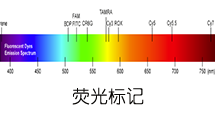
杭州专肽生物技术有限公司(ALLPEPTIDE https://www.allpeptide.com)主营定制多肽合成业务,提供各类长肽,短肽,环肽,提供各类修饰肽,如:荧光标记修饰(CY3、CY5、CY5.5、CY7、FAM、FITC、Rhodamine B、TAMRA等),功能基团修饰肽(叠氮、炔基、DBCO、DOTA、NOTA等),同位素标记肽(N15、C13),订书肽(Stapled Peptide),脂肪酸修饰肽(Pal、Myr、Ste),磷酸化修饰肽(P-Ser、P-Thr、P-Tyr),环肽(酰胺键环肽、一对或者多对二硫键环),生物素标记肽,PEG修饰肽,甲基化修饰肽等。
以上所有内容,为专肽生物原创内容,请勿发布到其他网站上。